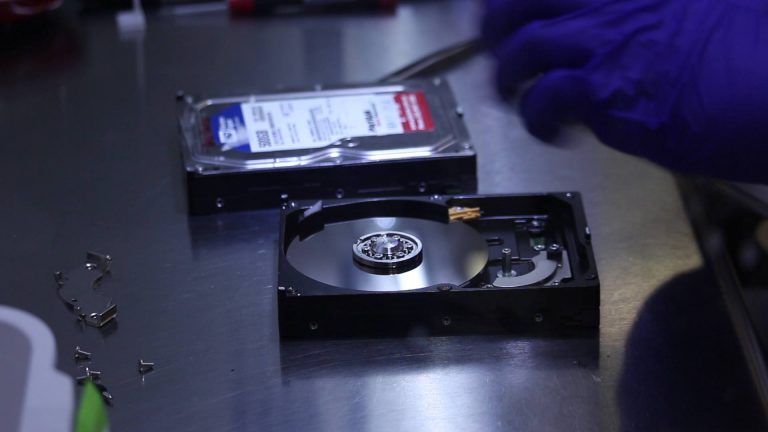
In the past, verifying someone’s innocence or guilt in criminal cases often relied on traditional methods, without examining computer files. Today, however, computer evidence has become a crucial aspect of many legal investigations. With the rise of digital technology, forensic scientists now frequently gather and analyze computer data that can serve as vital evidence in both criminal and civil cases.
The Role of Data Recovery in Legal Investigations
Computer forensics, or the science of using computer evidence in court, plays a key role in securing convictions in criminal cases. By recovering deleted files, identifying hidden documents, and analyzing metadata, investigators can uncover critical evidence that may have been overlooked or erased by the accused.
Forensic investigators typically focus on files stored on a computer’s hard drive, as these are the easiest to recover. Contrary to popular belief, deleted files do not disappear completely from a computer’s hard disk. Instead, they are marked as “inactive” and can often be recovered later, providing valuable insights into criminal activity.
Types of Evidence Recovered in Data Recovery Services
- Deleted Files: Files that appear to be deleted are often still accessible. Forensic investigators are trained to find these files, even in obscure locations or with misleading file names. They can use specialized tools to recover these files, which may contain important evidence.
- Metadata: Documents contain metadata that can reveal crucial details about their history. This data includes the creation date, modification date, and previous openings of the file. Metadata can help establish timelines, proving when a document was created, altered, or accessed—information that could be pivotal in court.
- Temporary Files: Some files are saved temporarily by the computer as additional copies of documents. These can be recovered as part of the forensic investigation, providing insight into the document’s contents or history.
- Social Media Evidence: Data recovered from social media accounts, such as Facebook or emails, can be used to show intent, knowledge, or actions. For instance, a suspect’s social media posts might provide crucial evidence of their involvement in a crime or their presence at a crime scene.
Examples of How Computer Evidence is Used in Court
- Criminal Cases: If a person goes missing, for example, investigators may recover a recently purchased airline ticket from their computer, leading them to the missing individual. Similarly, emails or other electronic communications found on a suspect’s computer may provide direct evidence of their involvement in a crime.
- Divorce Cases: In divorce proceedings, data recovered from a spouse’s computer can reveal hidden bank accounts or assets, providing key evidence during asset division.
- Workplace Investigations: Employers may use computer forensics to track employee activity on company computers, especially if there is suspicion of misconduct or unethical behavior. The recovered data can provide documentation of improper actions that may justify disciplinary measures, including termination.
- Posthumous Discoveries: In cases where a person has died without leaving a will, data recovery might uncover a draft will or other important legal documents stored on their computer. This can be critical for determining the person’s final wishes and resolving estate matters.
The Importance of Computer Evidence in Modern Legal Cases
Data recovery services have proven to be invaluable tools in both criminal and civil cases. From recovering emails to tracking financial transactions, the role of forensic investigators in the courtroom continues to expand. Even as criminals develop new methods of committing crimes, computer forensics offers a way to track their actions and gather essential evidence.
As technology continues to evolve, computer evidence will likely become even more integral to the judicial process, providing clarity and helping to ensure justice is served. Whether for criminal investigations, workplace disputes, or even in estate management, the ability to recover and analyze data has made a lasting impact on the legal field.
About the Author