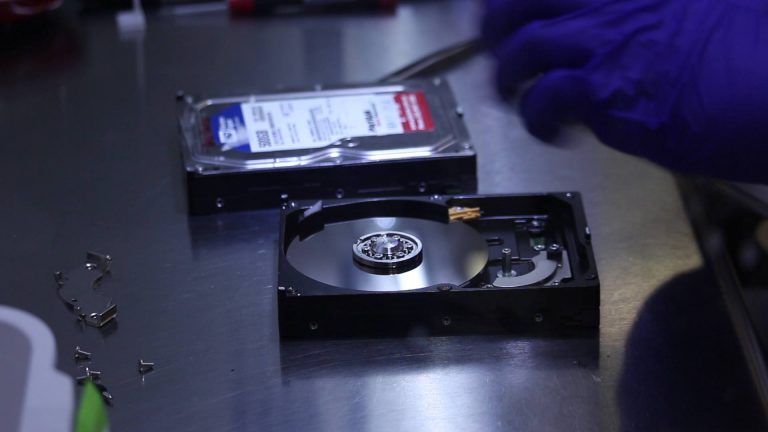
In today’s digital age, ransomware attacks are not a distant threat—they’re a pressing and frequent reality. According to recent cybersecurity research, a business falls victim to a ransomware attack every 11 seconds, making ransomware the fastest-growing type of cybercrime worldwide. For organizations both large and small, the question is no longer if you’ll be targeted, but when—and more importantly, how prepared you’ll be to recover.
Why Data Recovery After Ransomware Matters More Than Ever
Ransomware doesn’t just steal data—it disrupts operations, cripples infrastructure, and damages reputations. The financial toll can be staggering. In 2021 alone, ransomware damages were estimated to exceed $20 billion globally, and the numbers continue to climb.
While proactive prevention (like endpoint protection, employee training, and regular patching) is vital, so is a robust data recovery strategy. Without a well-planned recovery process, a ransomware attack can lead to irreversible losses, extended downtime, and even the collapse of business operations.
A prime example is the Scottish Environment Protection Agency (SEPA). In a high-profile 2020 attack, hackers stole more than 4,000 digital files. While SEPA had backup systems in place, they were not able to fully restore all data. Recovery is still ongoing—years later. This underscores the painful truth: backups alone aren’t enough without proper recovery planning.
So, how can your business bounce back from a ransomware incident swiftly and safely?
Step 1: Don’t Panic—Assess the Situation Calmly
The first and most critical step is assessing the scope of the attack. Determine:
- What systems were affected?
- How far did the ransomware spread?
- Is the malware still active?
- Are backups intact, or were they also compromised?
Work with your internal IT team or bring in cybersecurity professionals to isolate infected systems immediately. Disconnect compromised machines from the network to stop the spread.
Step 2: Identify the Type of Ransomware
Understanding what kind of ransomware you’re dealing with can make a significant difference in how you recover. Some ransomware variants are decryptable using publicly available tools, while others may not be.
You can use resources such as:
- No More Ransom (nomoreransom.org)
- ID Ransomware (id-ransomware.malwarehunterteam.com)
These platforms can help identify the ransomware strain and offer possible decryption tools if available. Never pay the ransom—there’s no guarantee the hackers will honor their promise, and it only fuels the criminal enterprise.
Step 3: Notify the Authorities
Ransomware is a criminal act, and reporting it is both a legal and ethical obligation. Contact:
- Your local law enforcement (e.g., FBI Cyber Crime Unit in the U.S.)
- A national cybersecurity agency (such as CISA, NCSC, or equivalent)
- Legal counsel to help manage regulatory compliance and liability exposure
Failing to report ransomware attacks could lead to legal trouble, especially if consumer data or sensitive information was exposed.
In many cases, these reports lead to full-scale data breach investigations, which help uncover the root cause, evaluate the scope of the attack, and determine whether any data was exfiltrated. These investigations are essential not only for compliance but also for improving your long-term security posture.
Step 4: Begin Data Recovery Using Backups
If your backup systems are segmented, encrypted, and current, this is the time to use them. Prioritize:
- Clean backup media (not connected to infected systems)
- Incremental or image-based backups
- Tested restoration procedures
Depending on your environment, you can take either a bottom-up recovery approach—rebuilding systems from scratch—or restore smaller, high-priority data sets first for quick wins.
Note: Findings from data breach investigations can inform which systems or datasets need priority restoration, based on their sensitivity or regulatory impact.
Pro tip: Make sure restored systems are placed in a clean, isolated environment and thoroughly scanned before reconnecting them to the network.
Step 5: Clean, Rebuild, and Reinforce
Once data is recovered, the job isn’t done. You must:
- Wipe and rebuild compromised systems.
- Harden your environment by:
- Updating all software and operating systems
- Disabling unnecessary services and ports
- Implementing endpoint detection and response (EDR) tools
Conduct a full forensic investigation to understand:
- How the breach occurred
- Which vulnerabilities were exploited
- What data may have been exfiltrated
This is where data breach investigations again play a crucial role—they provide the clarity needed to identify weaknesses, refine your defenses, and close security gaps before attackers return.
Step 6: Communicate Transparently
If your business handles customer or client data, it’s important to be transparent about the incident. Inform affected parties about:
- What happened
- What information (if any) was compromised
- What steps are being taken to mitigate the issue
- What they can do to protect themselves
This not only builds trust but may also be required by data protection regulations like GDPR, HIPAA, or CCPA.
Step 7: Strengthen Your Future Defense
Ransomware recovery doesn’t end with getting your data back—it should be a springboard for stronger security. Moving forward:
- Invest in robust cybersecurity training for employees (phishing is still the #1 ransomware entry point)
- Implement a 3-2-1 backup strategy: 3 copies of your data, 2 types of media, 1 offsite
- Adopt multi-factor authentication (MFA) across systems
- Schedule regular data recovery drills to ensure your team can respond swiftly in real time
- Consider cyber insurance to offset financial losses during future incidents
Final Thoughts
Ransomware is a growing threat—but it doesn’t have to be a business-ending event. With a combination of preparation, swift response, and strong recovery protocols, organizations can survive and thrive even after an attack.
Data breach investigations and post-incident analyses should be standard parts of your response strategy, helping your business understand what went wrong—and how to do better next time.
The key is to treat ransomware preparedness as a business priority, not just an IT concern. When your business is backed by smart strategies and modern recovery tools, you won’t just recover—you’ll come back stronger.
About the Author